Items
ARCHAEOMETRIC INVESTIGATION (some archaeometric data record) - 理化学的分析あり(リンクを含める)
has any value
-
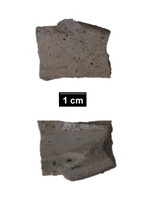
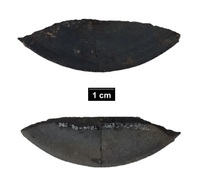
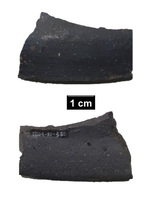
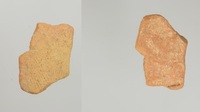
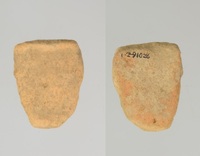
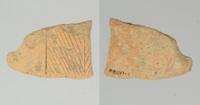
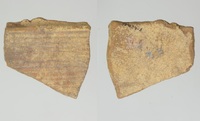
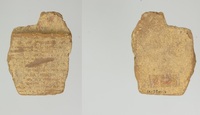
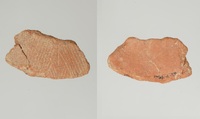
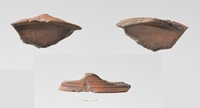
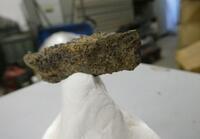
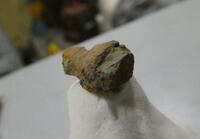
AF TBO 210 Debris on rim of lidded dish. (Sue ware). It is difficult to define as part of the body or lid. Found outside the stone chamber (6tr). -
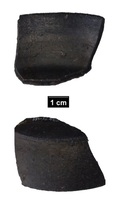
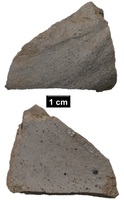
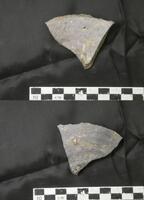
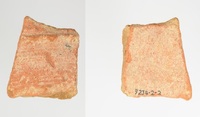
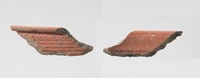
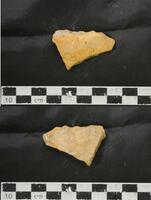
AF TBO STC 209 A fragment of the rim of the pedestal plate (Sue ware). -
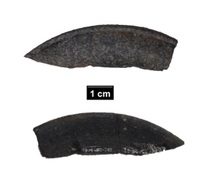
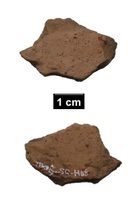
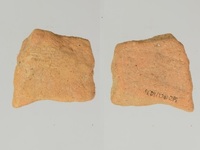
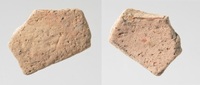
AF TBO STC 208 Bowl foot fragment (Sue ware). -
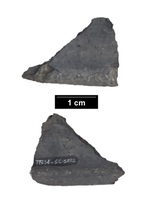
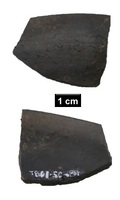
AF TBO STC 207 Pottery fragment (Sue ware). -
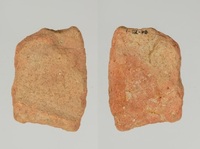
AF TBO STC 206 Fragment of a foot pedestal (Sue ware). -
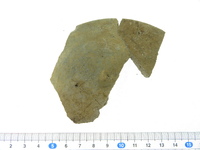
AF TBO 205 Dish fragment (Sue ware). -
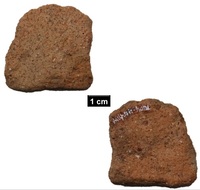
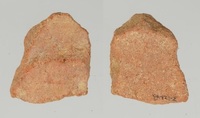
AF TBO STC 204 Haji ware of pedestal dish (low fired earthenware). -
AF TBO STC 203 Fragment of a pottery lid (Sue ware). -
AF TBO 202 Haji ware. Pedestal plate (low fire earthenware). -
AF TBO STC 201 Fragment of a pottery lid (Sue ware). -
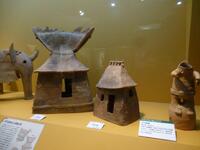
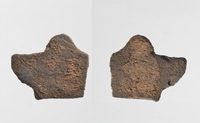
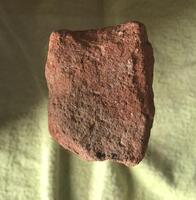
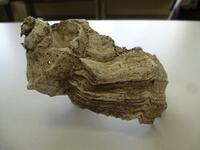
AF KNK 001 This house-shaped haniwa was found from Kanakurayama Kofun in Okayama Prefecture. It dates to the latter 4th to early 5th century. -
ASA TBO Ext trenches 1&2 CR Tobiotsuka - External trenches 1&2
-
SUSS TBO Ext trenches 1&2 CR Set of soil samples to characterize fungal diversity and its relationships with soil properties
-
SU 08 ETA4F80 Sample to analyze fungal communities
-
SU 06 ETA4F60 Sample to analyze fungal communities
-
SU 04 ETA4F40 Sample to analyze fungal communities
-
SU 03 ETA4F10 Sample to analyze fungal communities
-
SU 02-03 ETA3B30 Sample to analyze fungal communities
-
SU 02-03 ETA2B35 Sample to analyze fungal communities
-
SU 02-03 ETA1B45 Sample to analyze fungal communities
-
SU 02 ETA3B10 Sample to analyze fungal communities
-
SU 02 ETA2B15 Sample to analyze fungal communities
-
SU 02 ETA1B25 Sample to analyze fungal communities
-
SU 110 ETB2dF40 Sample to analyze fungal communities
-
SU 106 ETB2cF10 Sample to analyze fungal communities
-
SU 106 ETB2bF10 Sample to analyze fungal communities
-
SU 106 ETB2aF10 Sample to analyze fungal communities
-
SU 107 ETB1dB40 Sample to analyze fungal communities
-
SU 105 ETB1cB20 Sample to analyze fungal communities
-
SU 105 ETB1bB18 Sample to analyze fungal communities
-
SU 105 ETB1aB15 Sample to analyze fungal communities
-
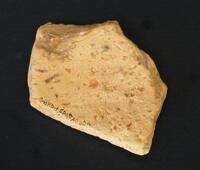
AF TBO STC 076* Sueki pottery fragment of rim, carenated rim, with quartz inclusions and polished in the external surface. Maybe TK209. P55 in Oka. -
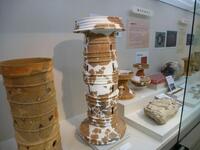
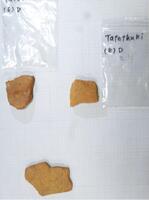
AF TTK 007 Decorated pottery stand from the Tatetsuki burial mound in Okayama Prefecture. -
AF HD 006 House-shaped haniwa dating to the 5th century from the Hiradokoro site in Shimane Prefecture. -
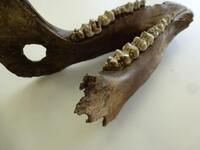
AF MNM 005 This wild boar jawbone from Yayoi-era Minamikata settlement bears clear signs of deliberate craftsmanship, with both branches of the jaw expertly perforated. It is believed that such jaws were hung outside dwellings, either for ritual purposes or perhaps as a display of the household prosperity. Initial examination of cranial deformities suggests that the animal was likely non-domesticated or showed minimal signs of domestication. -
AF TGY 004 Earthenware cylindrical haniwa from Tenguyama Kofun in Okayama Prefecture - AF ??? 002
-
AF TTK 010 Yayoi pottery - shard of Tokusyu-Kidai (large ceremonial pot stands) from Tatetsuki archaeological site. -
AF TTK 009 Yayoi pottery - shard of Tokusyu-Kidai (large ceremonial pot stands) from Tatetski archaeological site. -
AF TTK 008 Yayoi pottery - shard of Tokusyu-Kidai (large ceremonial pot stands) from Tatetski archaeological site. -
AF TTK 007 Yayoi pottery - shard of Tokusyu-Kidai (large ceremonial pot stands) from Tatetski archaeological site. -
AF TTK 006 Yayoi pottery - shard of Tokusyu-Kidai (large ceremonial pot stands from Tatetski archaeological site. -
AF TTK 005 Yayoi pottery - shard of Tokusyu-Kidai (large ceremonial pot stands) from Tatetski archaeological site. -
AF TTK 004 Yayoi pottery - shard of Tokusyu-Kidai(large ceremonial pot stands) from Tatetski archaeological site. -
AF TTK 003 Yayoi pottery - shard of Tokusyu-Kidai (large ceremonial pot stands) from Tatetski archaeological site -
AF TTK 002 Yayoi pottery - shard of Tokusyu-Kidai (large ceremonial pot stands) from Tatetski archaeological site. -
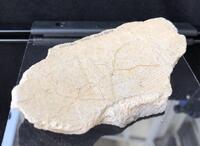
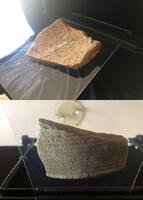
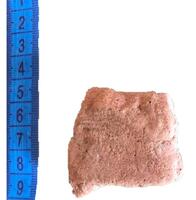
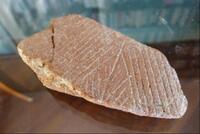
AF TTK 001 Yayoi pottery - shard of Tokusyu-Kidai (large ceremonial pot stands) from Tatetski archaeological site -
AF ISH 007 Yayoi pottery - Hachi (vessel/bowl) from Ishida 7 (Shimane) archaeological site -
AF ZMT 006 Yayoi pottery - Kidai (vessel stand) from Zanmochi 6 (Shimane) archaeological site. -
AF ZMT 005 Yayoi pottery - Kidai (vessel stand) from Zanmochi 5 (Shimane) archaeological site. -
AF ZMT 004 Yayoi pottery - Kidai (small vessel stand) from Zanmochi 4 (Shimane) archaeological site. -
AF ZMT 003 Yayoi pottery - Tokusyu-Tsubo (large ceremonial vessel/jar) from Zanmochi 3 (Shimane) archaeological site. -
AF UEN 002 Yayoi pottery - Tokusyu-Tsubo(large ceremonial vessel/jar) from Ueno 2 (Shimane) archaeological site. -
AF UEN 001 Yayoi pottery - shard of Tokusyu-Tsubo (large ceremonial vessel/jar) from Ueno 1 (Shimane) archaeological site. -
AF MNM 054
-
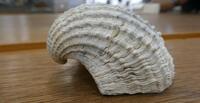
AF MNM 053 This shell with perforations was used as a spoon. A reconstruction of how it was used is also displayed.
-
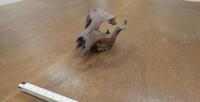
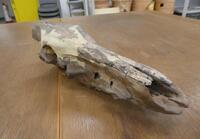
AF MNM 052 This skull of a deer was excavated from the Minamikata site in Okayama Prefecture. This nearly intact deer skull was discovered near the Minamikata site dating back to the Yayoi period. Despite its remarkable state of preservation, no signs of deliberate craftsmanship have been identified on it thus far. Nevertheless, it stands as a significant testament to the presence of these animals, which were a staple in the daily diet and thrived in abundance in the Okayama region during that era. -
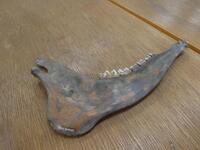
AF MNM 051 Deer jaw bone from the Minamikata site This deer jawbone, originating from the Minamikata site, is one of the many pieces of evidence supporting the integral role these animals played in the diet of the Yayoi-era inhabitants. The bone manipulations suggest activities ranging from butchering to various other purposes. In general, teeth and cranial fragments could be transformed into luxury items used for adorning dwellings. -
AF MNM 050 Boar skull from the Minamikata site This sizable wild boar skull, unearthed from the Minamikata site dating back to the Yayoi period, appears to exhibit distinct signs of domestication by the local populace. The domestication process often involves a reduction in defensive features, such as horns and tusks, as well as a decrease in cranial size. In the case of wild boars, it results in a flattening of the cranial structure, making it more akin to that of domestic pigs. -
AF MNM 049 Shell from the Minamikata site This seashell hails from the excavation of Minamikata, an ancient Yayoi-era settlement nestled within the bustling heart of present-day Okayama, Shimane Prefecture. It's a tangible relic of the ingenious resourcefulness of the local inhabitants, who ingeniously fashioned everyday tools and ceremonial artifacts from shells and bones. In all likelihood, this particular shell served as a spoon, a function it shares with other shells discovered in the vicinity. -
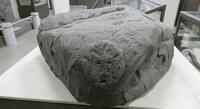
AF TTK 055 Carved stone object with interlocking designs from the Tatetsuki burial mound in Okayama Prefecture -
AF ZMT 024
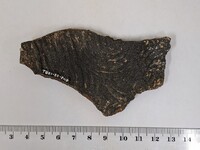
-
AF UEN 022
- AF ZMT 060
- AF TTK 018
- AF UEN 016
-
AF ISG 013
-
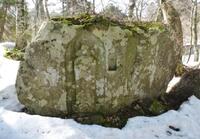
AF DSN 012 This Jizō Bosatsu, carved from a single stone, was recorded in February 2019 on Mount Daisen (Tottori Prefecture), which is still home to worship activity, displaying religious continuity from the end of the Kofun period up to recent times. The orange is a proposed reconstruction of the original structure. -
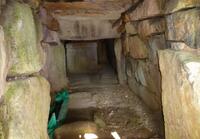
ASA KMT 011 Stone chamber of the Kamienya-tsukiyama mounded tomb in Shimane Prefecture -
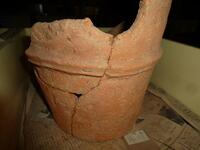
AF ZMT 019 Earthenware pottery from the Zanmochi site in Shimane Prefecture. 島根県山持遺跡から出土した土器
- AF ZMT 015
-
AF TTK 023
- AF TTK 021
-
AF TTK 020
-
AF TTK 059
- AF TTK 017
-
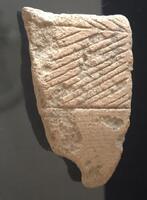
AF TTK 014 Decorated earthenware pottery from the Tatetsuki burial mound in Okayama Prefecture. 岡山県楯築墳丘墓から出土した土器 -
AF MNM 003
-
AF TTK 010 Earthenware pottery from the Tatetsuki burial mound in Okayama Prefecture. 岡山県楯築墳丘墓から出土した土器 -
AF TTK 009 Earthenware pottery from the Tatetsuki burial mound in Okayama Prefecture. 岡山県楯築墳丘墓から出土した土器 -
AF TTK 008 Earthenware pottery from the Tatetsuki burial mound in Okayama Prefecture. 岡山県楯築墳丘墓出土の土器 -
AF NMO 001 A pedestaled sue ware from the Nima-otsuka mounded tomb.
-
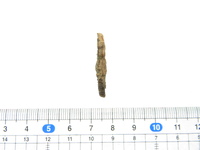
AF TBO STC 156* Fragment of metal arrow head. ハI 4 in Oka. -
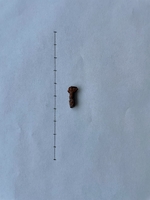
AF 155 Fragment of metal nail -
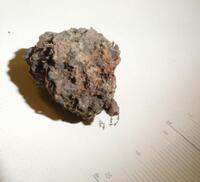
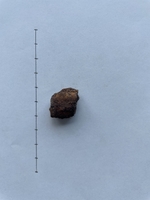
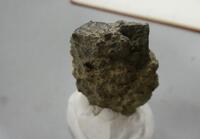
AF TBO STC 141* Maybe pine cone . W7 in Oka. -
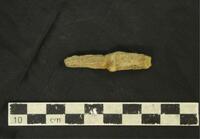
AF TBO STC 140* Part of metal arrow. I10 in Oka. -
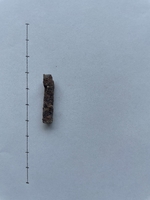
AF TBO STC 138* Fragment of metal arrow. I6 in Oka. -
AF TBO STC 137 Fragment of iron arrowhead. I1 in Oka. 鉄鏃片。 岡山大学遺物番号I1。 -
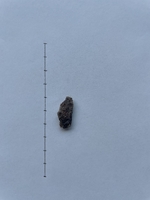
AF TBO STC 136* Fragment of metal. Maybe Blade . I2 in Oka. -
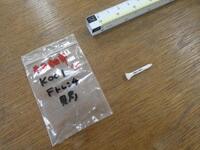
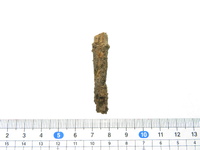
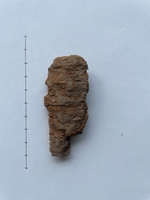
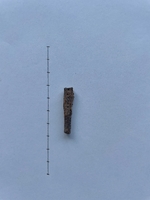
AF TBO STC 135 Fragment of iron nail covered in wood from coffin. I3 in Oka. 木棺の木質に覆われた鉄釘片 岡山大学遺物番号I3。 -
AF TBO STC 134* Fragment of metal Blade, I11 in Oka. -
AF TBO STC 133* Fragment of metal arrow, with traces of wood. P133 in Oka. -
AF TBO STC 132 Iron single-edge sword blade fragment. I5 in Oka. 鉄刀片 岡山大学遺物番号I5。 -
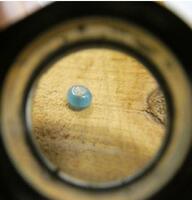
AF TBO STC 131 Glass bead. B1 in Oka. -
AF TBO STC 130* Fragment of metal Blade. I9 in Oka. -
AF TBO STC 129* Nail head in metal. I9 in Oka. -
AFC TBO STC 117* Sue ware pottery fragment of wall, likely from a dish. P28,71 in Oka. Found in excavation edition TBO1. -
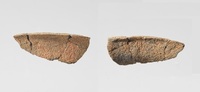
AF TBO STC 097* Haji pottery fragment of Wall -
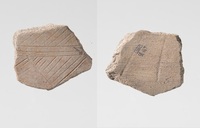
AF TBO STC 088 Sue ware fragment of pottery wall with quartz inclusions. Internal surface displays geometric markings of paddle-and-anvil manufacturing technique. P110 in Oka. -

AF TBO STC 077* Sueki pottery fragment of bottom with quartz inclusions and polished in the external surface. P56 in Oka.